
SITE WORK · 01
Hoisting Machinery & Drive Assembly
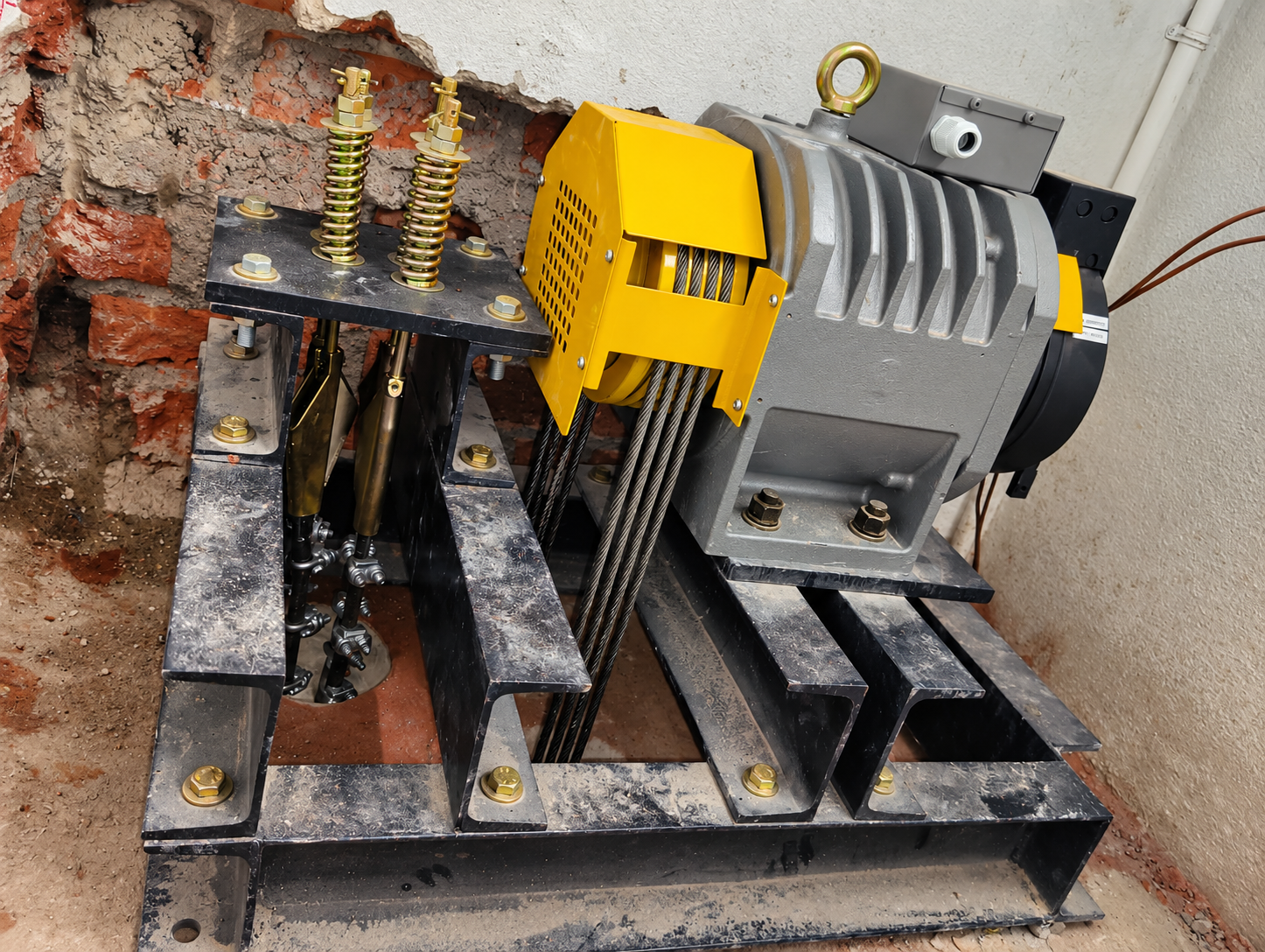
A detailed view of the drive unit, cables and mounting frame used in the elevator system.
A look at machinery, shaft preparation and installation work shared by Orbix. Site conditions and final equipment vary by project.
Explore real site photographs showing lift machinery, shaft preparation, structural frameworks and installation stages.
A detailed view of the drive unit, cables and mounting frame used in the elevator system.
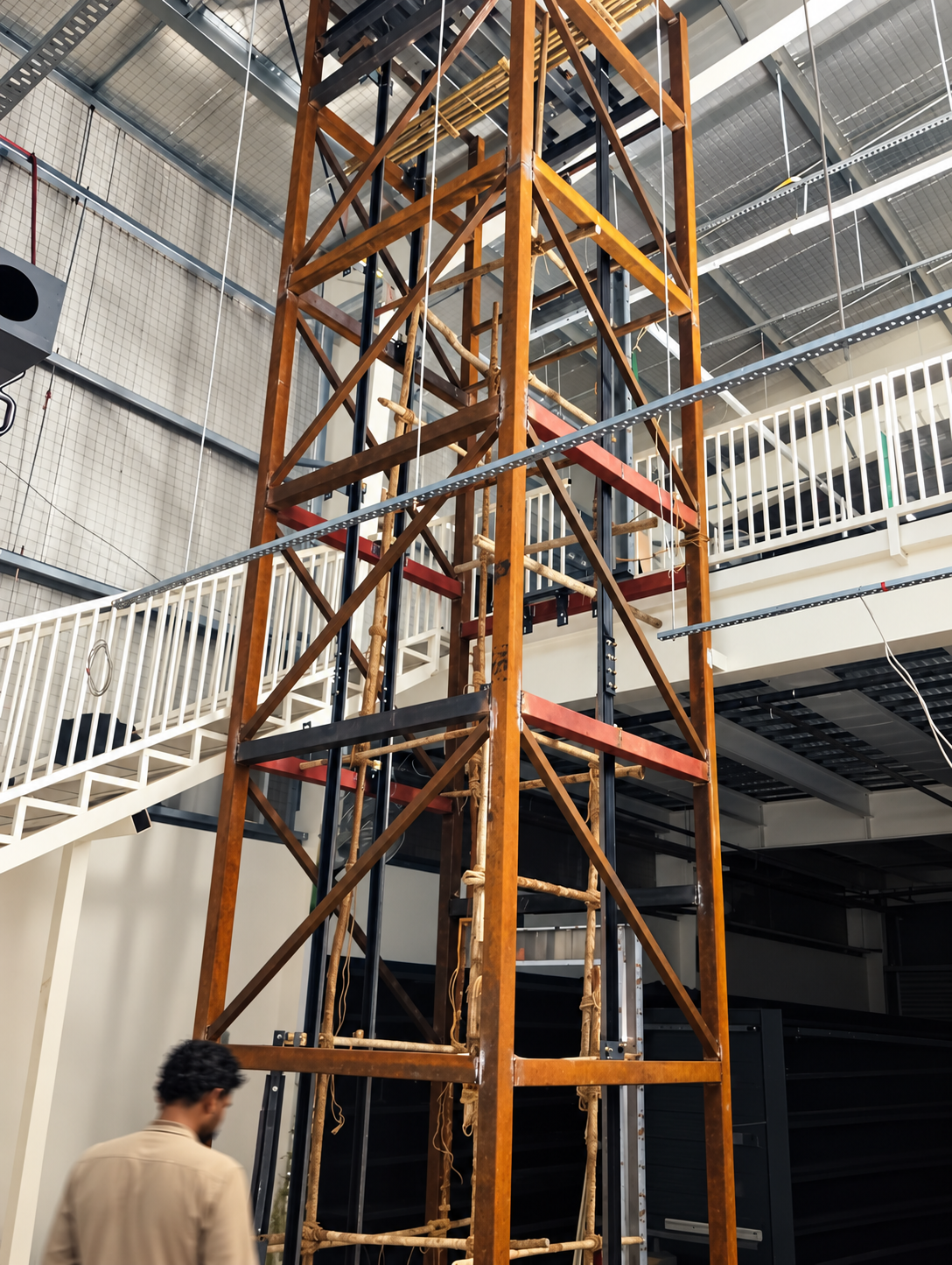
Installation-stage work showing the entrance frame and lift components within the prepared opening.
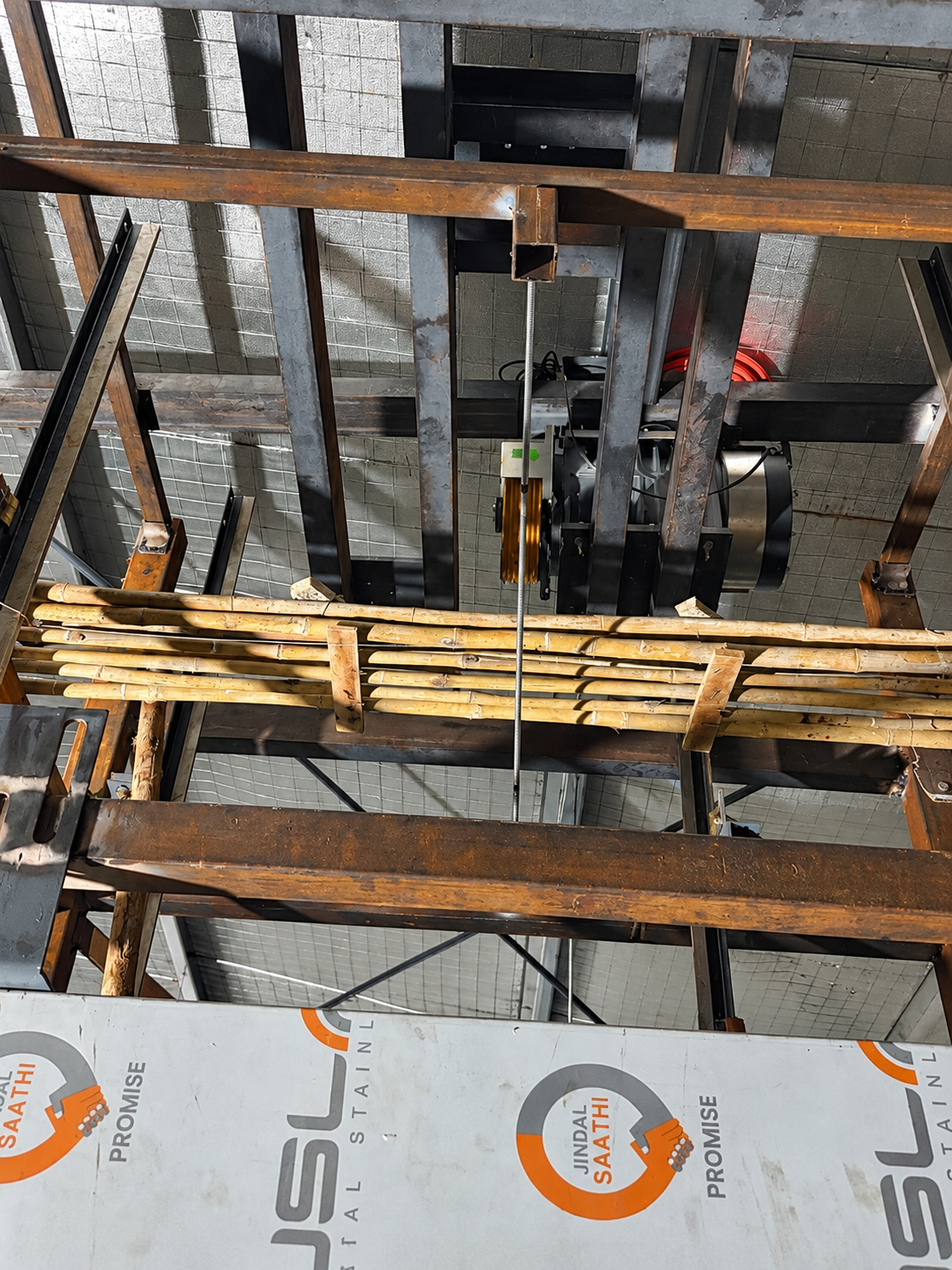
Site preparation and temporary support work inside the lift shaft ahead of installation.
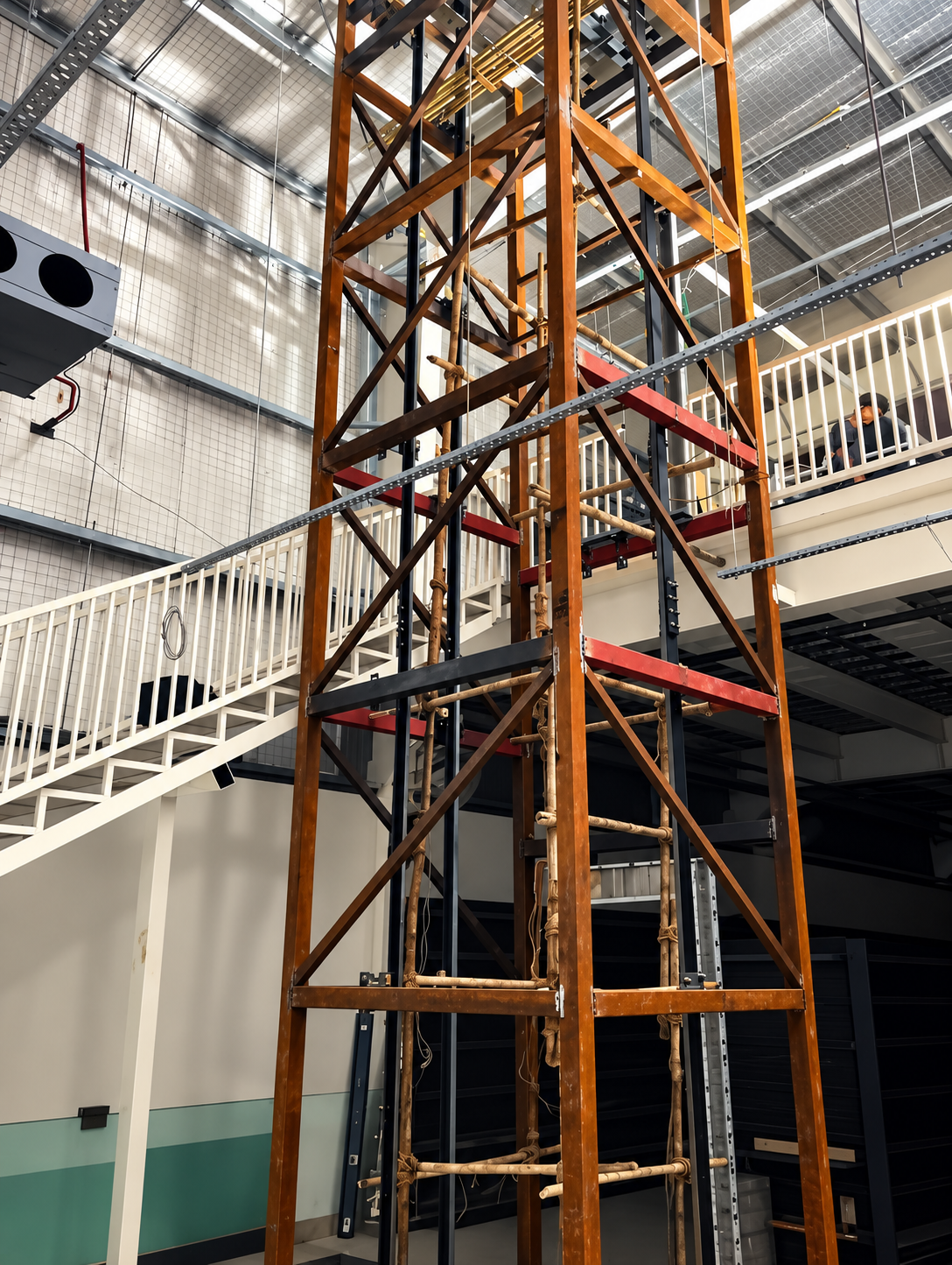
The supporting framework taking shape around the lift travel area during construction.
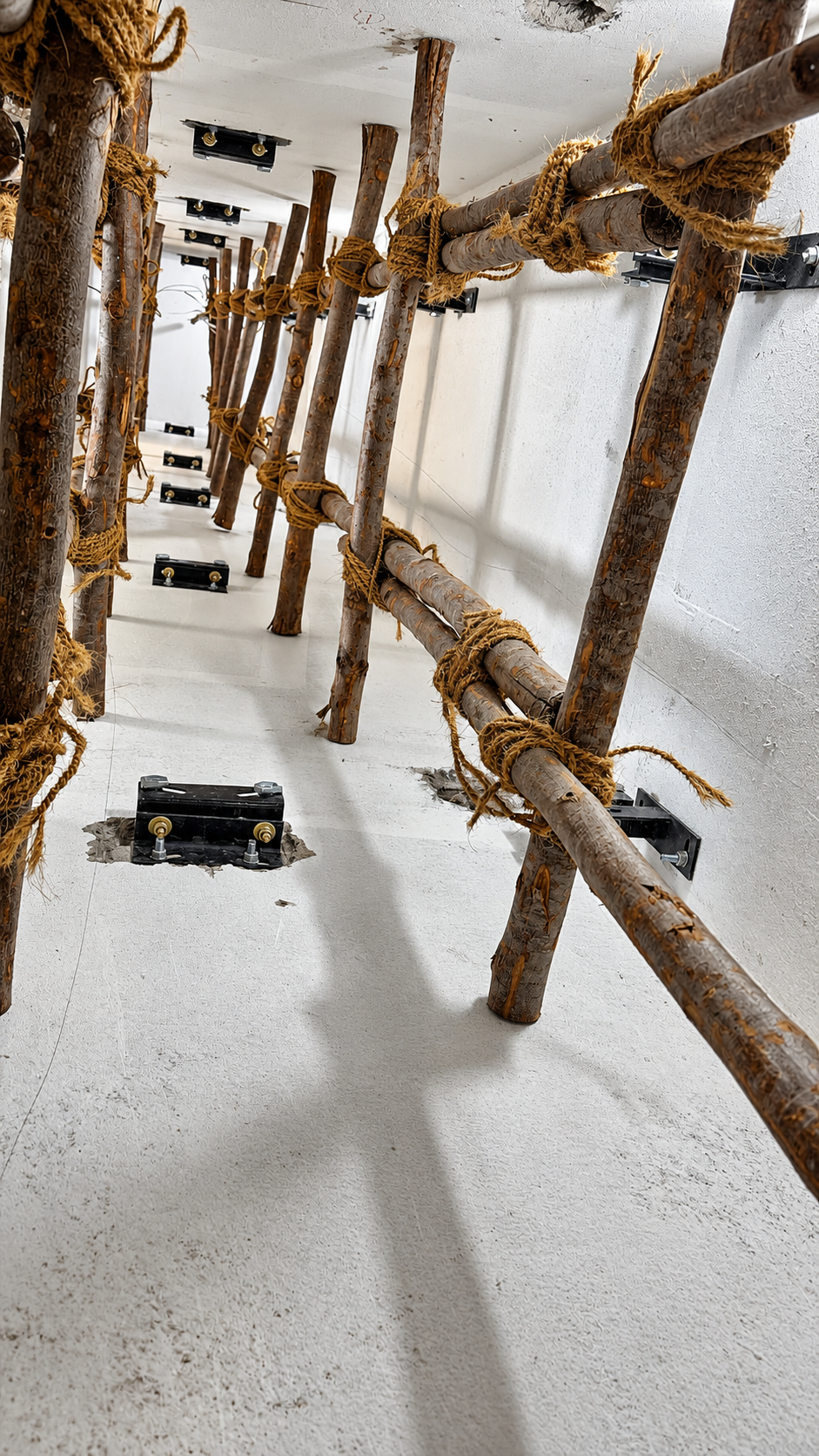
A view of the upper shaft area, with drive equipment and structural members being fitted.
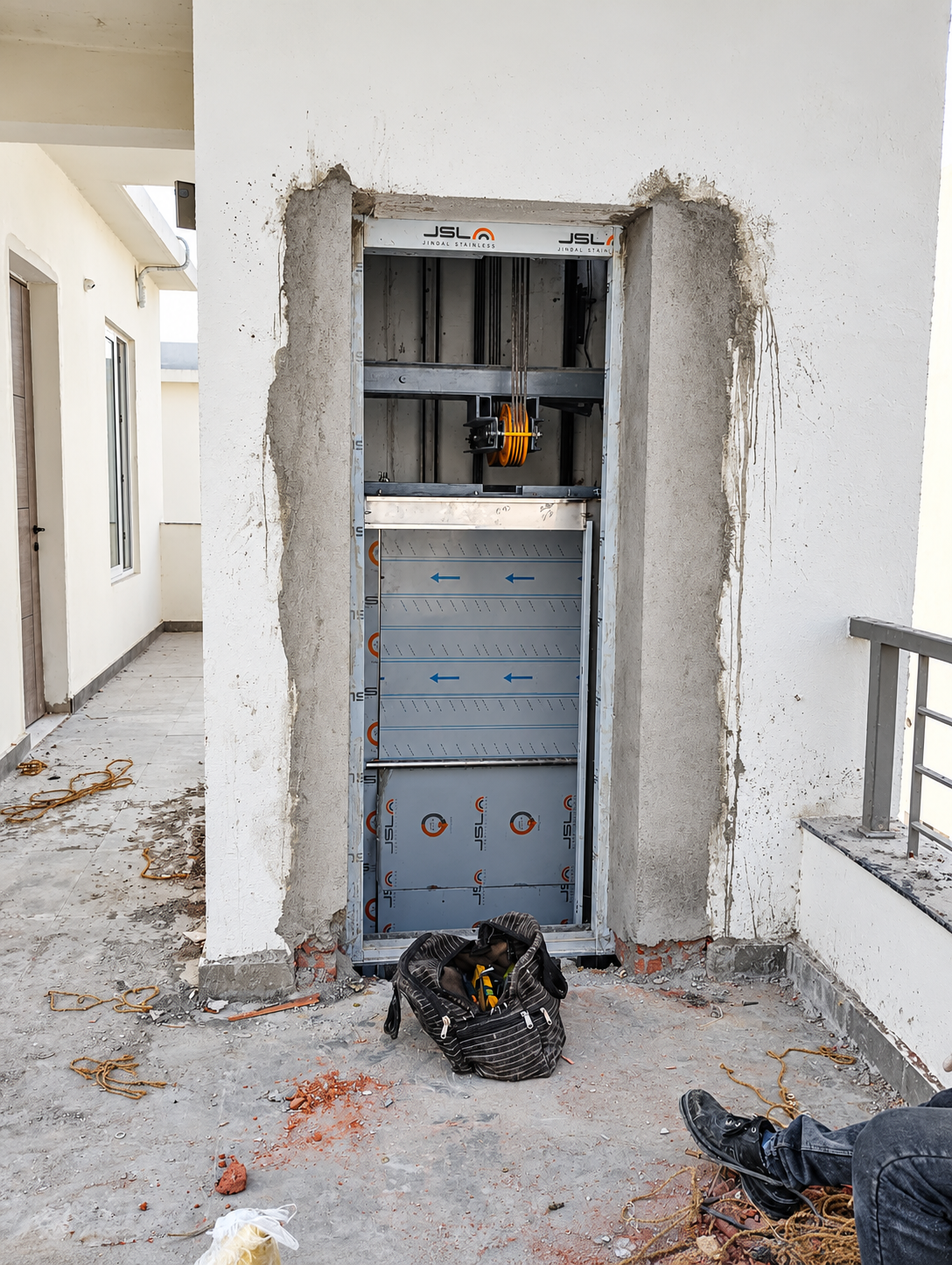
A close view of the framework and installation access used while the lift structure is being assembled.
Project photographs supplied by Orbix. Images show work stages and equipment; they are not a guarantee of identical equipment or specifications at every site.
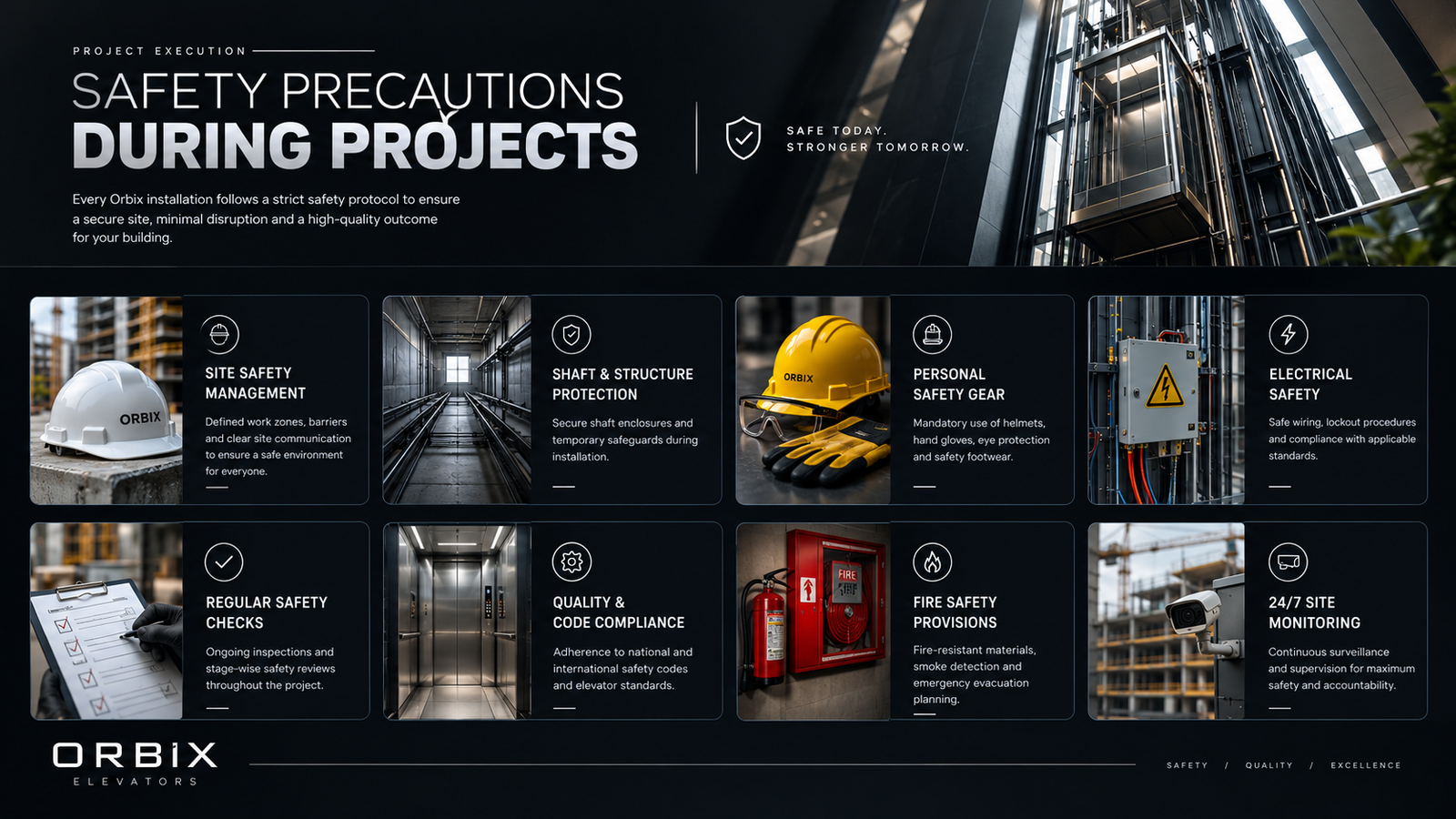
Swipe or use the arrows to explore key precautions. Site-specific risk assessments and local rules always take priority.
01Mark work areas clearly, control access, keep walkways clear and communicate site hazards to everyone involved.
02Secure lift-shaft openings and edges with suitable barriers or covers; never rely on warning signs alone.
03Use task-appropriate helmets, safety footwear, gloves, eye protection and fall-protection equipment where required.
04Inspect lifting equipment, approved rigging points, load limits and structural readiness before moving heavy components.
05Only authorised personnel should perform electrical work, using appropriate isolation and lockout procedures.
06Record inspections, resolve defects before proceeding and complete required tests before handover or operation.
Safety is site-specific. Work must be planned and supervised by competent personnel in accordance with the applicable laws, standards, manufacturer instructions and approved method statements. This overview does not replace a formal risk assessment or site safety plan.
A few starting points before planning a home elevator.
In many cases it may be possible, but feasibility depends on the building layout, available space, structural conditions and selected system. A site assessment is essential.
Requirements vary by model and OEM. Some systems may offer pitless or machine-room-less configurations; confirm details for the chosen equipment.
Pricing depends on travel, stops, rated load, finishes, civil work, installation and service arrangements. Contact Orbix for a project-specific discussion.
The timeline depends on site readiness, equipment lead time, civil work, installation and inspection requirements. A confirmed schedule should be agreed with the supplier.
Maintenance frequency and service coverage depend on the installed equipment and OEM guidance. Confirm the service agreement before purchase.

Tell us about your building. We’ll help you explore what comes next.
Talk to our team ↗