
Thoughtful planning
Start with real site conditions, access needs and intended use.
A considered approach to residential elevator planning, design direction and project conversations.
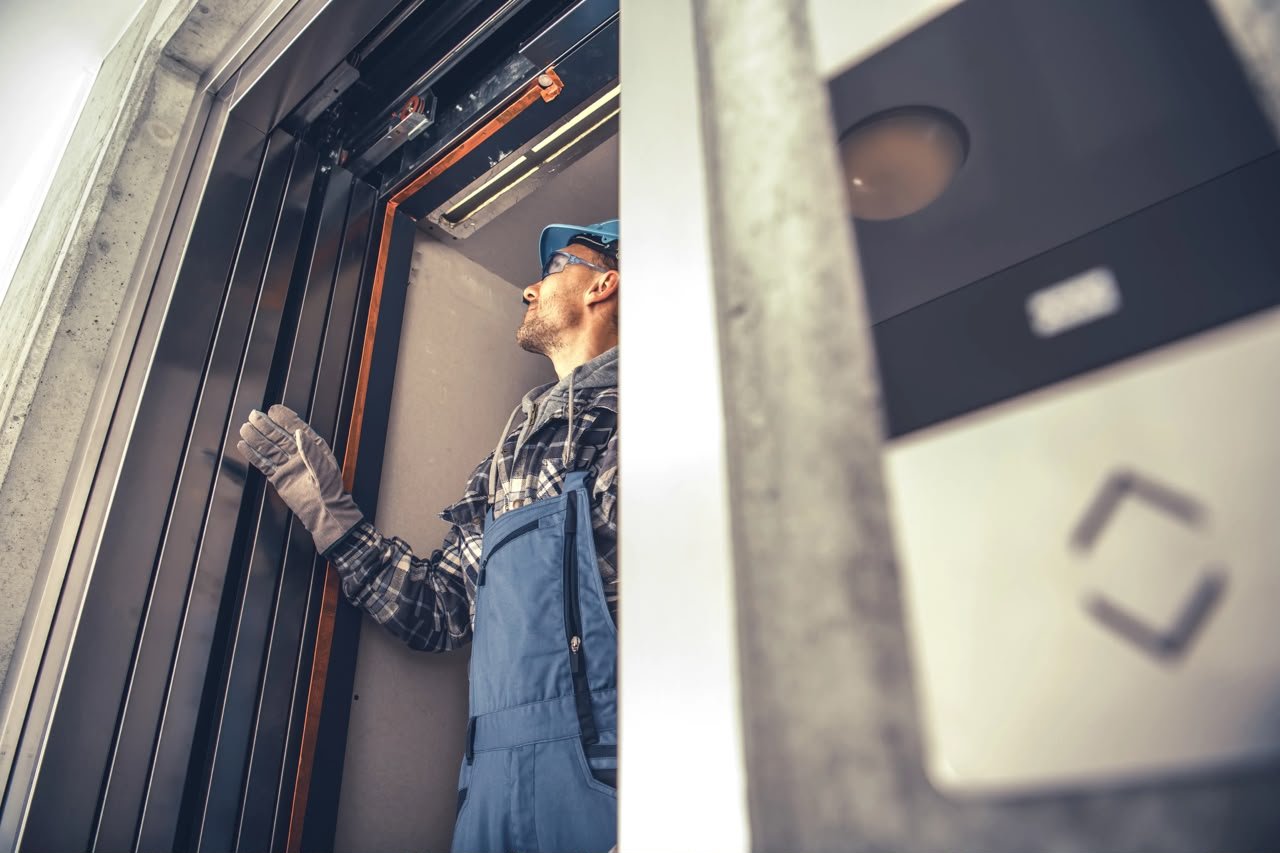
Orbix Elevators helps customers explore elevator solutions for residential and commercial spaces, balancing building requirements, thoughtful design and day-to-day usability.
From early consultation through installation planning and after-sales support, we focus on clear communication and practical decisions suited to each project.
Our proposed collection includes OE-100, OE-200, OE-300 and OE-360 model directions. These are concept models; final product specifications, supply arrangements, installation capabilities and compliance must be confirmed before purchase.
Start with real site conditions, access needs and intended use.
Explore finishes and design directions that suit the home and project.
Confirm responsibilities, specifications and support with the right professionals.
Safety depends on the selected elevator, the building, correct installation and ongoing maintenance. Explore these practical checkpoints before planning, using or servicing a lift.
Let passengers exit before entering. Keep clear of the doors, never force them open, and do not exceed the rated load shown for the installed lift.
Children should be accompanied and taught not to play with the controls, doors or landing area. Keep hands, clothing and belongings away from moving doors.
Stay calm, use the installed alarm or emergency communication method, and contact the authorised rescue or service team. Never try to climb out or pry doors open.
Arrange inspections and preventive maintenance as specified by the elevator manufacturer and applicable local requirements. Do not bypass interlocks or attempt repairs yourself.
Before installation, have qualified professionals verify the shaft, pit or pitless arrangement, power supply, structural requirements, access and emergency provisions for the chosen model.
Ask for written confirmation of rated capacity, speed, travel, door protection, backup or rescue provisions, applicable certifications and the maintenance agreement for the exact equipment supplied.
A few starting points before planning a home elevator.
In many cases it may be possible, but feasibility depends on the building layout, available space, structural conditions and selected system. A site assessment is essential.
Requirements vary by model and OEM. Some systems may offer pitless or machine-room-less configurations; confirm details for the chosen equipment.
Pricing depends on travel, stops, rated load, finishes, civil work, installation and service arrangements. Contact Orbix for a project-specific discussion.
The timeline depends on site readiness, equipment lead time, civil work, installation and inspection requirements. A confirmed schedule should be agreed with the supplier.
Maintenance frequency and service coverage depend on the installed equipment and OEM guidance. Confirm the service agreement before purchase.

Tell us about your building. We’ll help you explore what comes next.
Talk to our team ↗